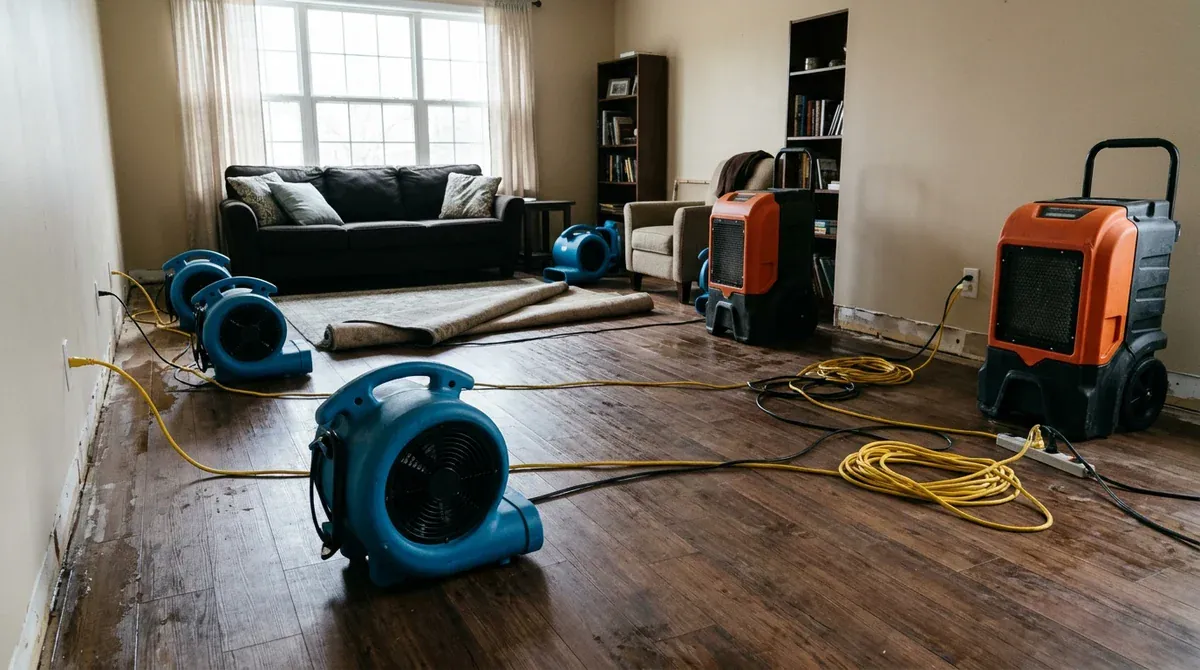
Liquid Extraction
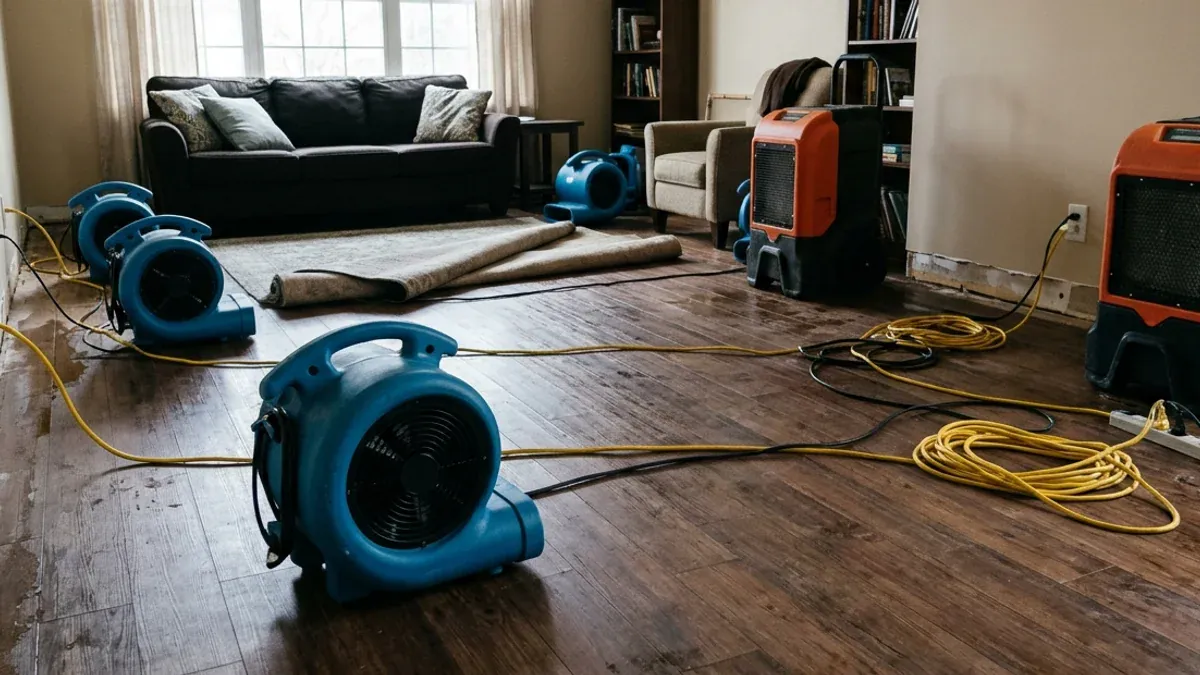
Structural Dehumidification
District of Columbia Municipalities
Professional Water Recovery Across District of Columbia
Water emergencies require both speed and thermodynamic precision. At Local Water Damage HQ, we provide residences and business facilities across District of Columbia with comprehensive mitigation support. Whether handling sudden subfloor saturation from a cracked plumbing line or subterranean basement seepage, our restoration crews coordinate rapid containment and bulk liquid removal.
Across District of Columbia, Homes and businesses in this area face elevated risks from plumbing supply line stress under sustained summer water pressure, saturated crawlspace soil causing floorboard buckling, and roof runoff overwhelming gutter downspouts during severe storm squalls. When unexpected water disasters happen, our restoration team mobilizes heavy-duty extraction and drying equipment to protect your building structure. We utilize daily psychrometric data tracking—monitoring grain depression and ambient vapor pressure—to guarantee every structural material returns to verifiable dry standards.
Our crews provide uninterrupted support and technical mitigation across all regions of District of Columbia.
Rapid Extraction
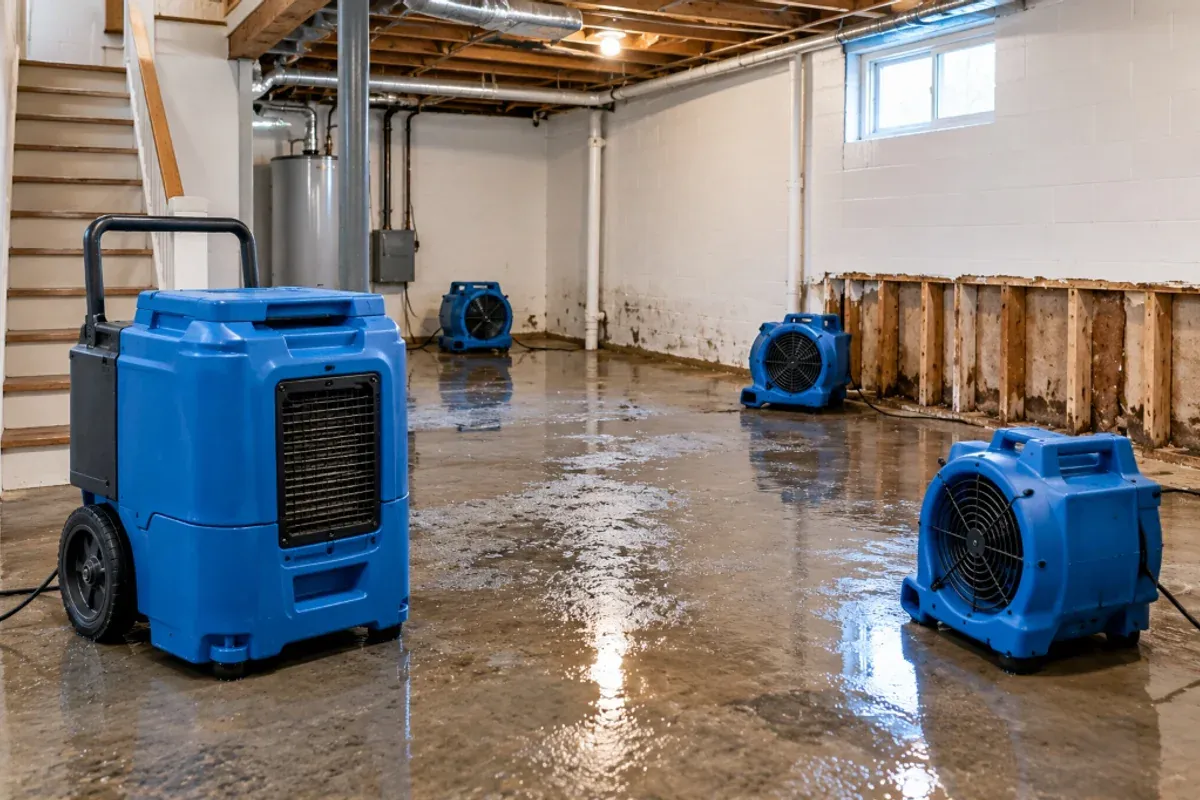
Truck-mounted vacuums and submersible pumps evacuating bulk water in District of Columbia.
Cavity Dehumidification
High-capacity air blowers and low-grain dehumidifiers drying building framing.
Committed Water Damage Mitigation in District of Columbia
Water flows along the path of least resistance, frequently traveling between subfloor layers, behind baseboards, and down into lower living areas. In District of Columbia, Local Water Damage HQ mitigates this capillary spread with immediate perimeter extraction and industrial desiccant air scrubbing.
Our technicians monitor temperature, relative humidity, and grains per pound (GPP) every single day, adjusting equipment placement to maintain maximum vapor pressure differentials that drive deep structural drying.
Water Damage Factors Across District of Columbia
Properties across District of Columbia face distinct structural moisture risks determined by regional weather systems and predominant building construction. With intense tropical storm systems, severe convective summer downpours, high ambient humidity (>70% RH), and flash groundwater ponding, property owners require fast, specialized mitigation tailored to slab-on-grade foundations, raised pier-and-beam crawlspaces, and exterior stucco or brick veneer assemblies.
Weather & Environmental Pressures
District of Columbia routinely encounters intense tropical storm systems, severe convective summer downpours, high ambient humidity (>70% RH), and flash groundwater ponding. Severe weather puts severe stress on residential roofing assemblies, basement foundations, and municipal storm runoff channels.
Prevalent Construction Assemblies
Building designs throughout District of Columbia feature slab-on-grade foundations, raised pier-and-beam crawlspaces, and exterior stucco or brick veneer assemblies. Infiltrating moisture requires calibrated extraction tools designed specifically for these framing configurations.
Thermodynamic Drying Realities
High outdoor relative humidity prevents natural air drying. In this climate, open windows actually introduce more moisture into saturated rooms. High-capacity commercial low-grain refrigerant (LGR) dehumidifiers are essential to draw bound moisture out of framing studs, crawlspace joists, and drywall before mold spores can germinate in warm temperatures.
Immediate Water Damage Steps for District of Columbia Property Owners
Before our restoration crew arrives on site, execute these essential safety and loss-mitigation procedures:
1. Isolate the Main Water Supply Immediately
Locate your property's main water shutoff valve. In District of Columbia, main valves are typically located inside the utility room, basement, or near the street curb meter box. Turning this valve clockwise shuts off the pressurized water flow and stops ongoing flooding.
2. Check Electrical Safety Before Entering Flooded Areas
If standing water has reached wall outlets, baseboard heaters, or submerged appliances in your District of Columbia home, do not step into the water. Turn off the corresponding circuit breakers from a dry location, or contact your local electric utility provider for an emergency disconnect.
3. Elevate Valuables & Protect Flooring Assemblies
Prop up furniture legs on aluminum foil or wood blocks to prevent stain transfer onto wet carpets or subfloors. Remove area rugs, draperies, and porous belongings out of direct contact with standing water across affected rooms.
4. Document Water Lines for Insurance Adjustment
Take high-resolution photos and video recordings of standing water levels, water stains on drywall, baseboards, and any damaged personal property before mitigation begins. This provides essential evidence for District of Columbia property insurance claims.
5. Contact Professional Water Damage Specialists
Call Local Water Damage HQ at 877-408-0342 for prompt water damage restoration assistance in District of Columbia. Industrial extraction units and drying chambers should be deployed within 24 to 48 hours to prevent structural wood rot and microbial growth.
What to Expect During Water Damage Recovery in District of Columbia
Vapor Pressure Management
In District of Columbia, true structural drying requires engineering a vapor pressure differential where moisture inside saturated framing is naturally forced into low-humidity ambient air. Our technicians continuously record psychrometric data to maintain ideal drying chambers.
Negative Air & Containment
When mitigating Category 2 or 3 water losses in District of Columbia, establishing negative pressure barriers with HEPA 500 air scrubbers prevents cross-contamination of clean rooms, protecting your indoor environment and indoor air quality throughout extraction.
Baseline Dry Standard Verification
We establish baseline moisture readings from unaffected wood and drywall in dry areas of your District of Columbia building. Drying equipment remains active until daily readings verify that all damaged materials have returned to safe, verified pre-loss moisture levels.
Frequently Asked Questions About Water Damage in District of Columbia
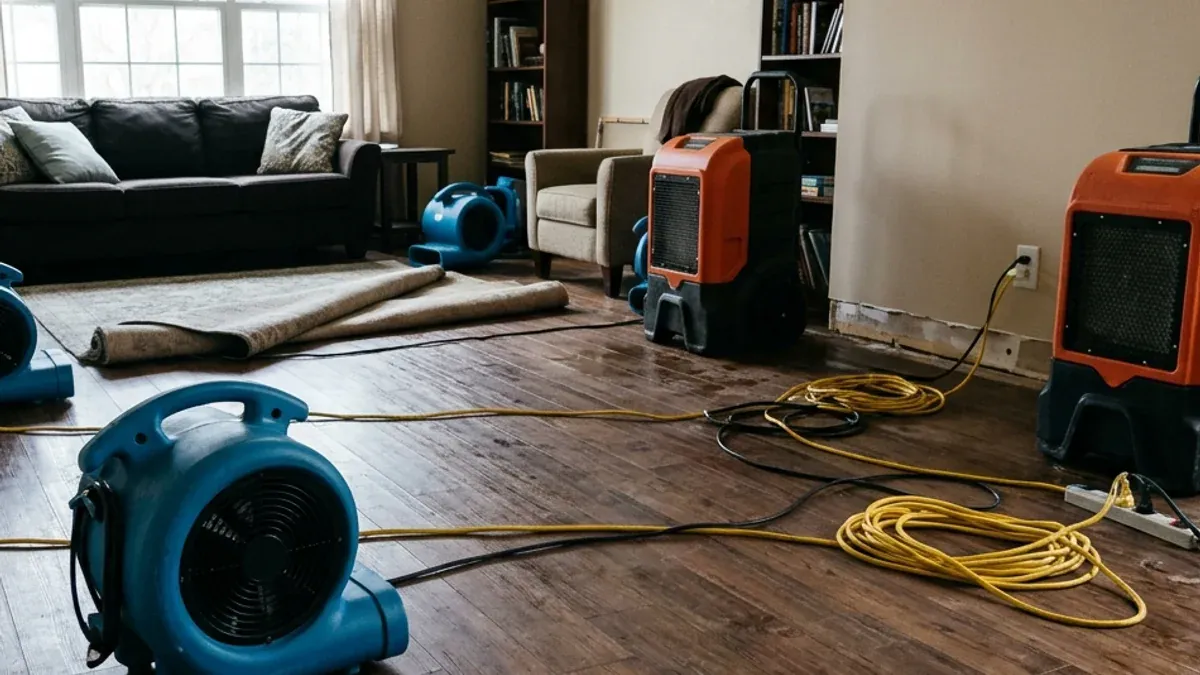
In Category 1 clean water events (such as a fresh water supply line break), solid hardwood floors and carpets can very often be saved if mitigation begins within 24 hours. We deploy negative-pressure floor mat systems that draw moisture upward through hardwood pores without buckling. If water originated from an unsanitary source (Category 2 or 3), porous carpet pads and severely contaminated materials must be replaced for health and safety.
Water extraction is the physical removal of free liquid water using high-flow submersible pumps, truck-mounted vacuums, and weighted floor wands. Structural drying is the thermodynamic process that follows: using controlled airflow, heat, and commercial low-grain refrigerant (LGR) dehumidifiers to force bound moisture out of solid wood, concrete, and framing studs into the air, where it is condensed and pumped out.
Sagging ceiling drywall saturated with water is extremely heavy and poses an imminent collapse risk. Immediately clear people and valuables out from underneath the affected ceiling area. Turn off electrical circuits feeding overhead lights from the breaker panel, place buckets below the area, and call Local Water Damage HQ at 877-408-0342 for professional ceiling stabilization and cavity drying.
Contact our team directly at 877-408-0342. We discuss your water situation, assess potential electrical or structural hazards, provide immediate guidance on shutoff procedures, and connect you with experienced water mitigation specialists equipped with heavy extraction units to your District of Columbia property.
We maintain meticulous insurance-compliant records from the moment we begin mitigation. Our crews document baseline psychrometric conditions, capture thermal imaging photographs, create moisture mapping diagrams, log daily moisture meter readings, and record an itemized inventory of affected structural components to support smooth, transparent insurance claim processing.
Water Damage Service Areas in District of Columbia
Select your city below to find local water damage restoration and emergency extraction specialists.
Water Emergency in District of Columbia?
Our restoration team coordinates immediate extraction and commercial drying to protect your property.
Call Now: 877-408-0342