Restoration Standards for Basement Water Damage Restoration
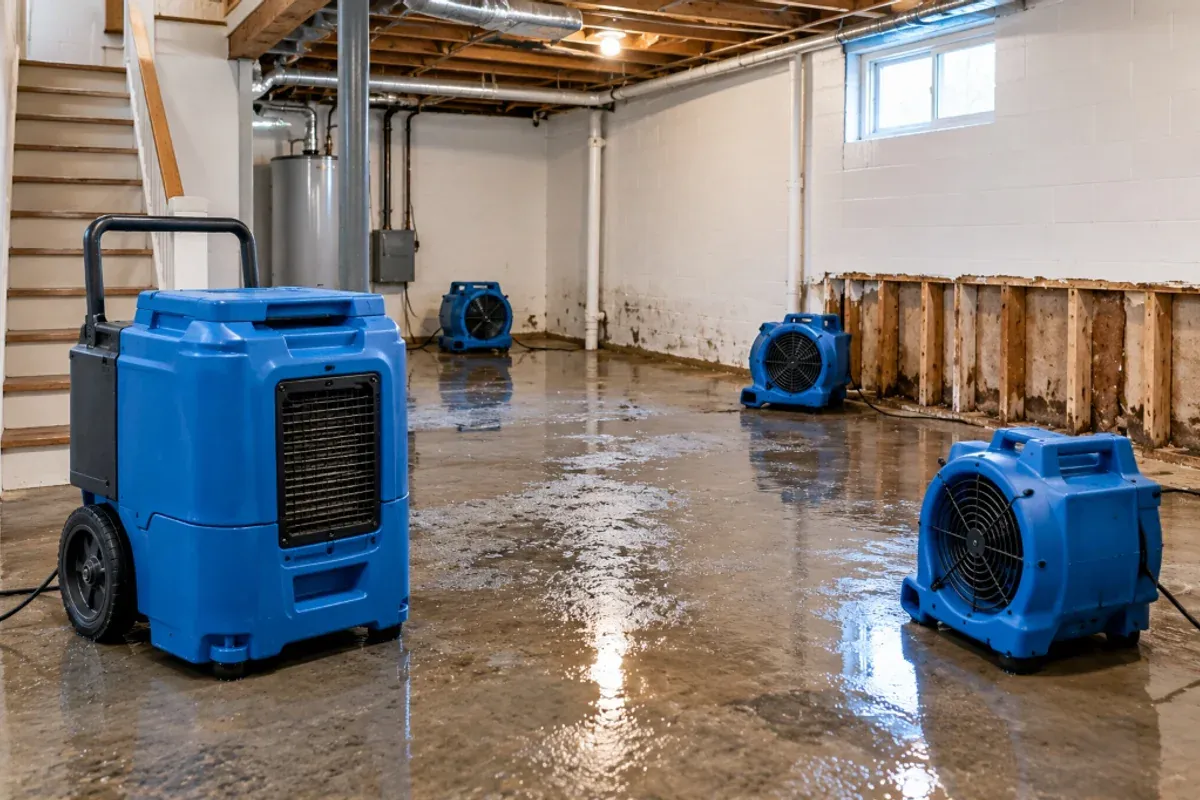
Basements are subterranean structures vulnerable to hydrostatic pressure, foundation seepage, sewer backflow, and sump pump failures during heavy downpours. Unchecked basement water causes foundation cracking, rot in wooden floor joists, and persistent humidity throughout the entire home. Local Water Damage HQ delivers specialized basement water damage restoration, extracting standing water, drying concrete foundation slabs, and restoring finished basements.
When water infiltrates building assemblies, moisture migrates along structural plates and into subflooring cavities through capillary wicking. Delaying mitigation allows bound moisture to degrade structural fasteners, warp architectural hardwoods, and weaken drywall. At Local Water Damage HQ, our technicians deploy commercial-grade extraction and dehumidification systems to reverse moisture absorption and protect your property's long-term value.
Specialized Equipment Deployed:
- Commercial low-clearance basement air movers
- Heavy-duty submersible continuous extraction pumps
- Non-invasive concrete moisture impedance meters
- High-capacity low-grain refrigerant (LGR) dehumidifiers
- Commercial cavity wall drying injector systems
How We Execute Basement Water Damage Restoration
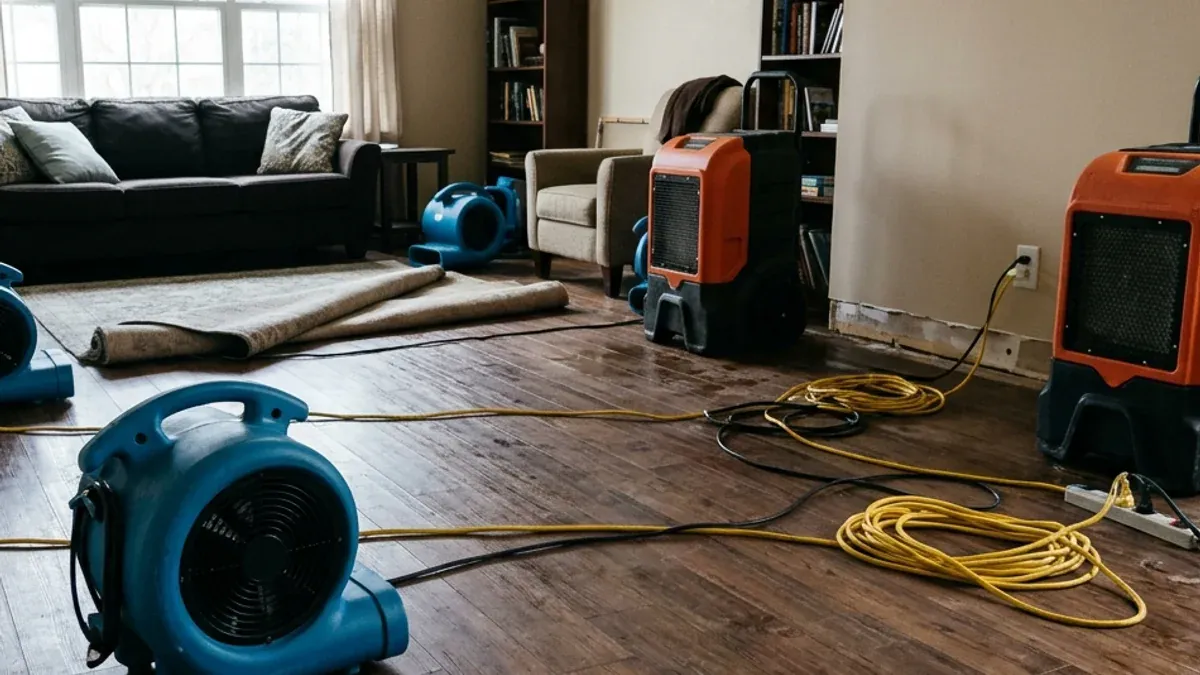
Our structured mitigation process ensures all moisture is safely removed and structural materials are preserved.
1. Sump Pump & Electrical Evaluation
We evaluate electrical safety, diagnose pump failures or drain backups, and set up secondary submersible pumping systems to clear the basement floor.
2. Bulk Water Removal from Concrete & Carpets
High-volume suction extractors pull standing water off the concrete floor, out of storage areas, and away from mechanical systems like furnaces and water heaters.
3. Wall Cavity Inspection & Baseboard Removal
Baseboards are removed and small weep holes are drilled along lower drywall to direct high-velocity warm airflow behind finished basement walls.
4. Deep Foundation & Joist Dehumidification
High-power commercial dehumidifiers remove moisture locked within porous concrete foundation walls and overhead wooden subflooring.
Frequently Asked Questions About Basement Water Damage Restoration
Basements sit below the surrounding water table. When ground soils become saturated during heavy rains, hydrostatic pressure forces water through foundation expansion joints, micro-cracks in concrete, and around window wells.
Contact Local Water Damage HQ immediately at 877-408-0342. Our technicians arrive with backup submersible pumps to evacuate water before it ruins basement furnishings, drywall, and appliances.
Yes. Concrete is porous like a sponge and can hold massive volumes of moisture. Without commercial dehumidification, this moisture continues to evaporate into the living space, causing elevated humidity and secondary damage.
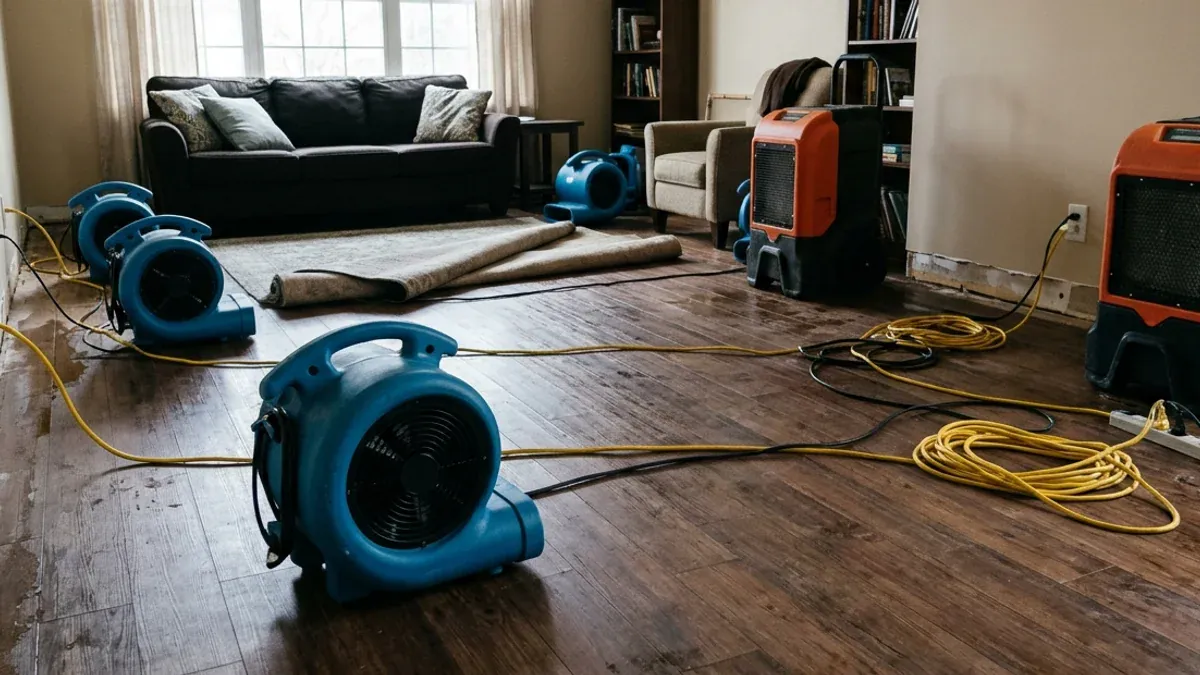
We use specialized wall cavity drying systems that pump heated, low-humidity air directly into the stud cavities, thoroughly drying the interior framing without tearing down the entire wall.
If water reached the burner assemblies, gas valves, or electrical controls of your water heater or furnace, they must be professionally inspected and serviced before restarting to prevent fire or gas hazards.
Facing a Water Damage Disaster?
Do not allow standing water to soak deeper into floors and walls. Contact Local Water Damage HQ immediately for prompt basement water damage restoration assistance.
Call Now: 877-408-0342