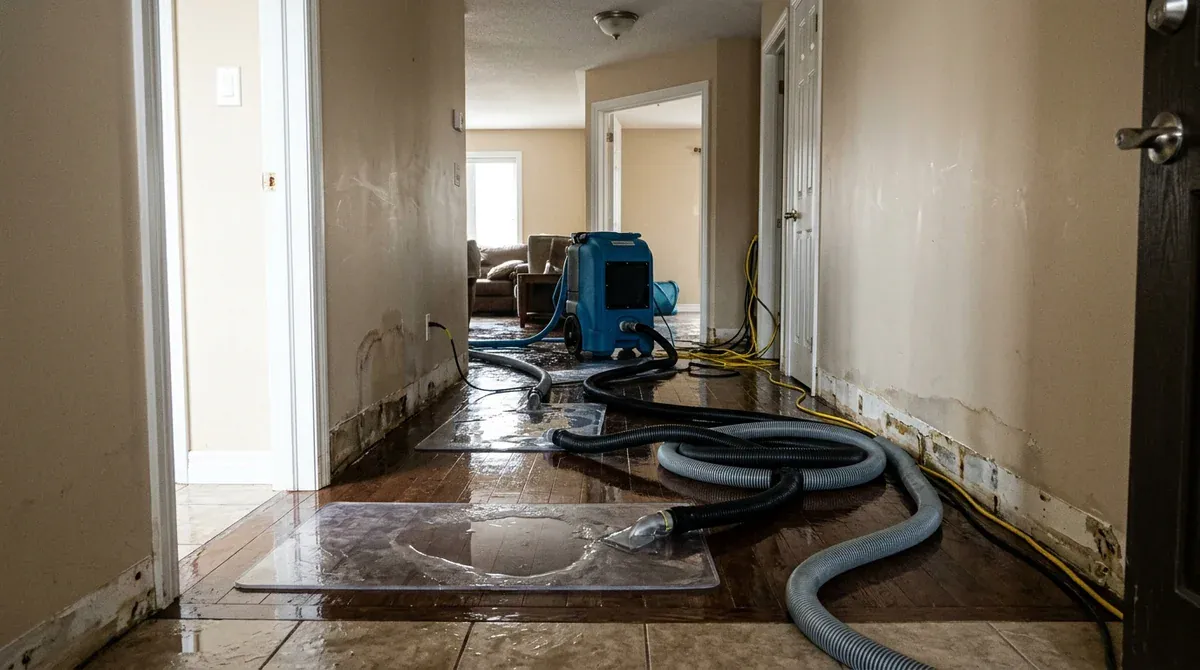
Restoration Standards for Emergency Water Damage Restoration
Water emergencies demand swift, decisive action to prevent catastrophic structural destruction and hazardous mold development. When supply pipes burst, water heaters rupture, or severe weather floods your living space, Local Water Damage HQ coordinates prompt emergency response with industrial-grade extraction machinery. Our certified technicians immediately isolate the water source, extract standing water, deploy commercial drying chambers, and protect your building envelope.
When water infiltrates building assemblies, moisture migrates along structural plates and into subflooring cavities through capillary wicking. Delaying mitigation allows bound moisture to degrade structural fasteners, warp architectural hardwoods, and weaken drywall. At Local Water Damage HQ, our technicians deploy commercial-grade extraction and dehumidification systems to reverse moisture absorption and protect your property's long-term value.
Specialized Equipment Deployed:
- Truck-mounted high-flow vacuum extraction units
- Submersible continuous-duty water extraction pumps
- Infrared thermal imaging moisture detection cameras
- Commercial low-grain refrigerant (LGR) dehumidifiers
- Industrial centrifugal high-velocity air movers
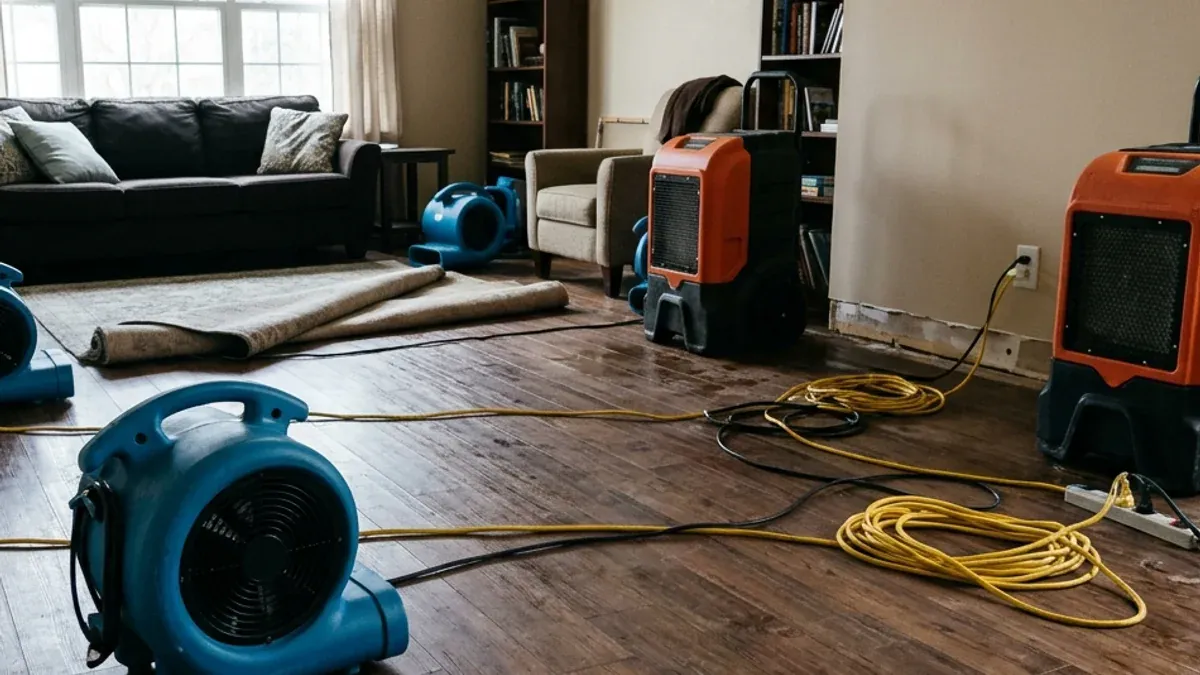
How We Execute Emergency Water Damage Restoration
Our structured mitigation process ensures all moisture is safely removed and structural materials are preserved.
1. Emergency Assessment & Hazard Containment
Upon arrival, our restoration specialists inspect the perimeter for electrical and structural hazards, pinpoint the water source, and map out the perimeter of moisture migration using infrared thermography.
2. High-Volume Water Extraction
We deploy truck-mounted vacuums, submersible trash pumps, and weighted extraction tools to eliminate thousands of gallons of standing water from flooring, carpet pads, and subsurfaces.
3. Rapid Decontamination & Antimicrobial Care
Affected surfaces receive EPA-registered botanical antimicrobial washes to prevent biological proliferation, neutralize odors, and sanitize the structural framing.
4. Immediate Structural Stabilization
Commercial low-grain refrigerant (LGR) dehumidifiers and centrifugal air blowers are set in place to drop humidity levels immediately and stabilize building materials.
Frequently Asked Questions About Emergency Water Damage Restoration
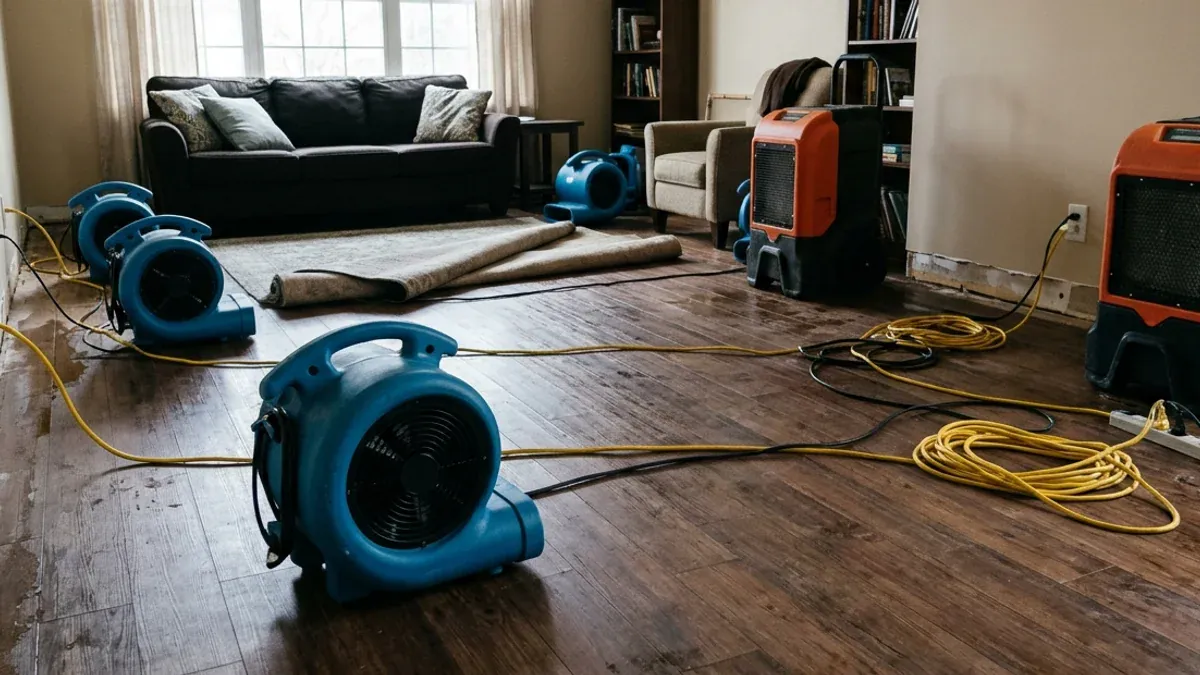
We understand that standing water causes progressive structural decay every hour it sits. Our restoration team coordinates immediate emergency response to arrive on site with extraction equipment as rapidly as possible.
If safe to do so, locate and turn off the main water shutoff valve. Shut off electricity to flooded rooms at the breaker panel if you can do so from a dry area. Never enter standing water if outlets or appliances are submerged.
Depending on the severity of the flooding and the water category (clean vs. contaminated), it may be safe to remain in unaffected areas. However, for deep flooding, black water incidents, or when extensive industrial drying equipment is running, temporary relocation is often recommended for comfort and safety.
During the first 24 to 48 hours, building materials like drywall, carpet backing, and baseboards absorb water through capillary action. Prompt emergency mitigation stops this wicking effect and prevents irreversible swelling and mold growth.
Yes. Our technicians record comprehensive psychrometric readings, photograph all moisture damage, log moisture meter readings daily, and provide detailed structural loss reports compatible with all major insurance carriers.
Facing a Water Damage Disaster?
Do not allow standing water to soak deeper into floors and walls. Contact Local Water Damage HQ immediately for prompt emergency water damage restoration assistance.
Call Now: 877-408-0342