Restoration Standards for Flood Damage Restoration
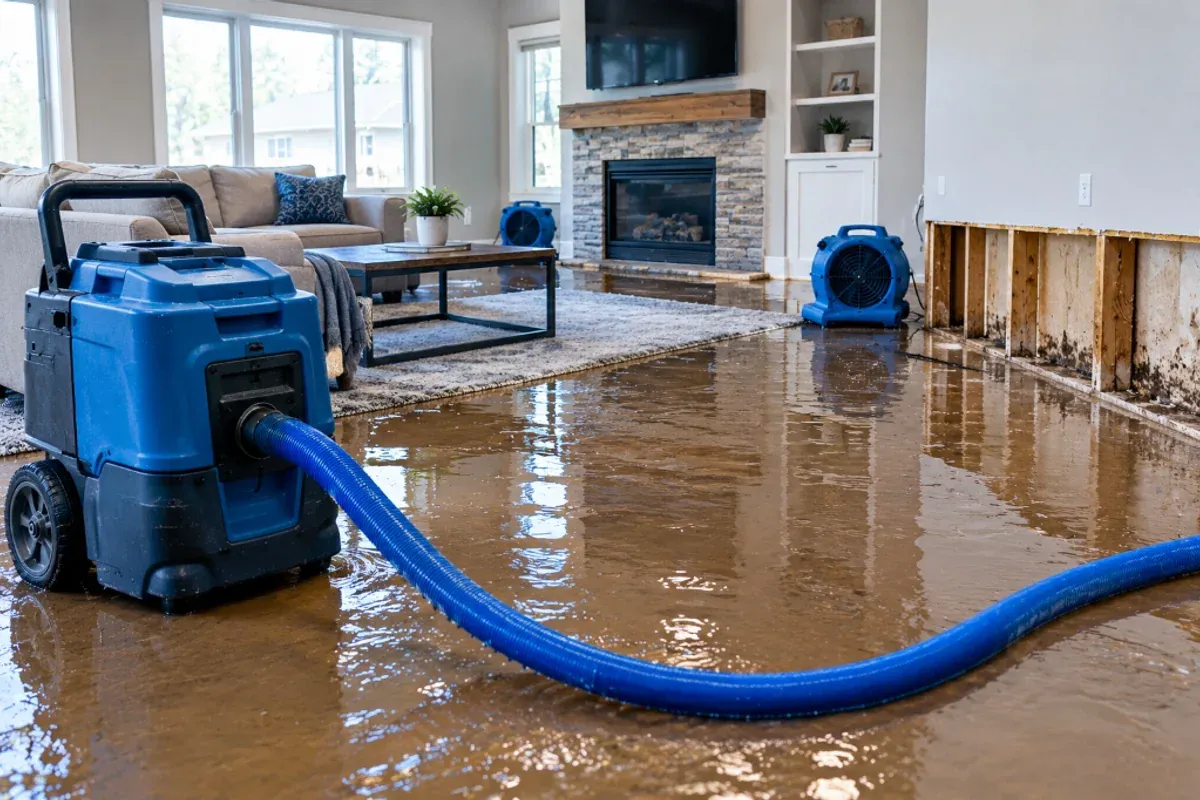
Natural flooding, river overflows, storm surges, and groundwater intrusion introduce severe hazards because floodwater is classified as Category 3 black water containing pathogens, bacteria, and silt. Local Water Damage HQ specializes in full-scale flood damage restoration. We manage hazardous water pumping, containment barriers, controlled demolition of porous materials, environmental cleaning, and total structural decontamination.
When water infiltrates building assemblies, moisture migrates along structural plates and into subflooring cavities through capillary wicking. Delaying mitigation allows bound moisture to degrade structural fasteners, warp architectural hardwoods, and weaken drywall. At Local Water Damage HQ, our technicians deploy commercial-grade extraction and dehumidification systems to reverse moisture absorption and protect your property's long-term value.
Specialized Equipment Deployed:
- Submersible heavy solids trash pumps
- HEPA 500 air scrubbers with carbon filtration
- Hospital-grade EPA registered antimicrobial biocides
- Industrial pressure washers with extraction recovery
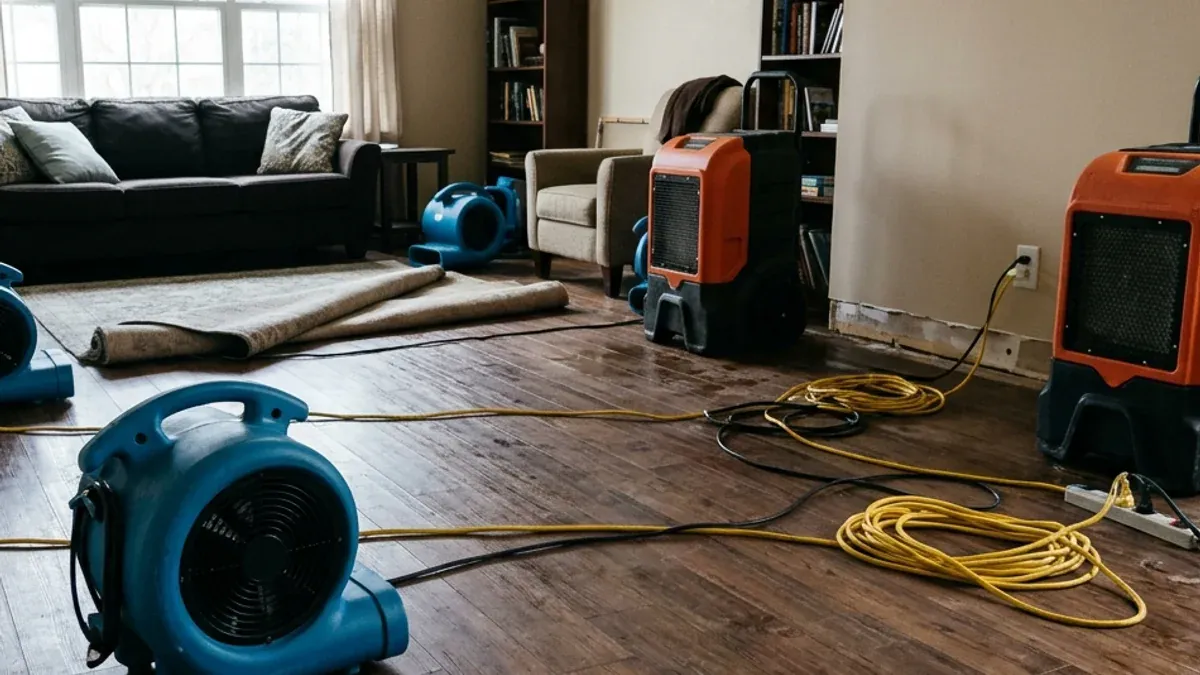
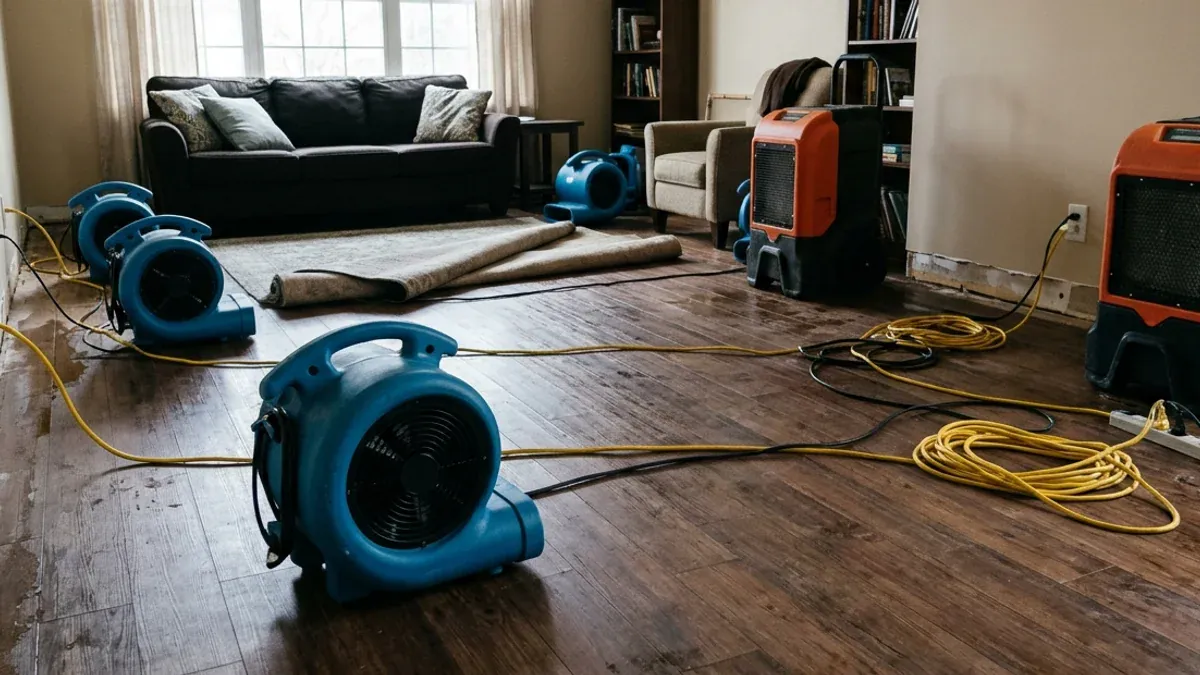
- High-output desiccant and LGR commercial dehumidifiers
How We Execute Flood Damage Restoration
Our structured mitigation process ensures all moisture is safely removed and structural materials are preserved.
1. Environmental Containment & Safety Protocols
We establish negative air pressure containment chambers with HEPA filtration to stop contaminated air and airborne pathogens from reaching unaffected living spaces.
2. Bulk Floodwater Pumping
Heavy-duty industrial trash pumps clear mud, contaminated water, and silt out of basements, crawl spaces, and main living areas.
3. Controlled Removal of Contaminated Materials
Non-salvageable porous items like waterlogged drywall (flood cuts), insulation, and contaminated carpet are safely removed in sealed containment bags.
4. Deep Disinfection & Dryout
Framing, sill plates, and concrete foundations are pressure-cleaned, sanitized with hospital-grade biocides, and dried using high-capacity dehumidifiers.
Frequently Asked Questions About Flood Damage Restoration
Floodwater from storm runoff, rivers, or sewer backups carries raw sewage, organic silt, agricultural chemicals, and dangerous bacteria. It poses severe biological health hazards and requires full protective equipment (PPE) and strict containment.
Because drywall is porous, floodwater contaminants permeate deep into the gypsum core. Standard protocol requires making a flood cut at least 12 to 24 inches above the high-water line and replacing the affected drywall after the framing is fully sanitized.
Our restoration teams clean all non-porous and semi-porous framing with antimicrobial agents, apply fungicidal protective coatings, and run HEPA air scrubbers continuously to filter airborne particulates.
Shut off the HVAC system immediately. Operating your air conditioner or furnace when ducts are contaminated will blow bacteria throughout the entire house. Our technicians inspect, sanitize, and decontaminate duct systems.
Initial extraction, debris cleanout, and sanitization usually take 1 to 2 days, followed by 3 to 5 days of structural drying. Complete structural repairs and reconstruction depend on the square footage and materials impacted.
Facing a Water Damage Disaster?
Do not allow standing water to soak deeper into floors and walls. Contact Local Water Damage HQ immediately for prompt flood damage restoration assistance.
Call Now: 877-408-0342