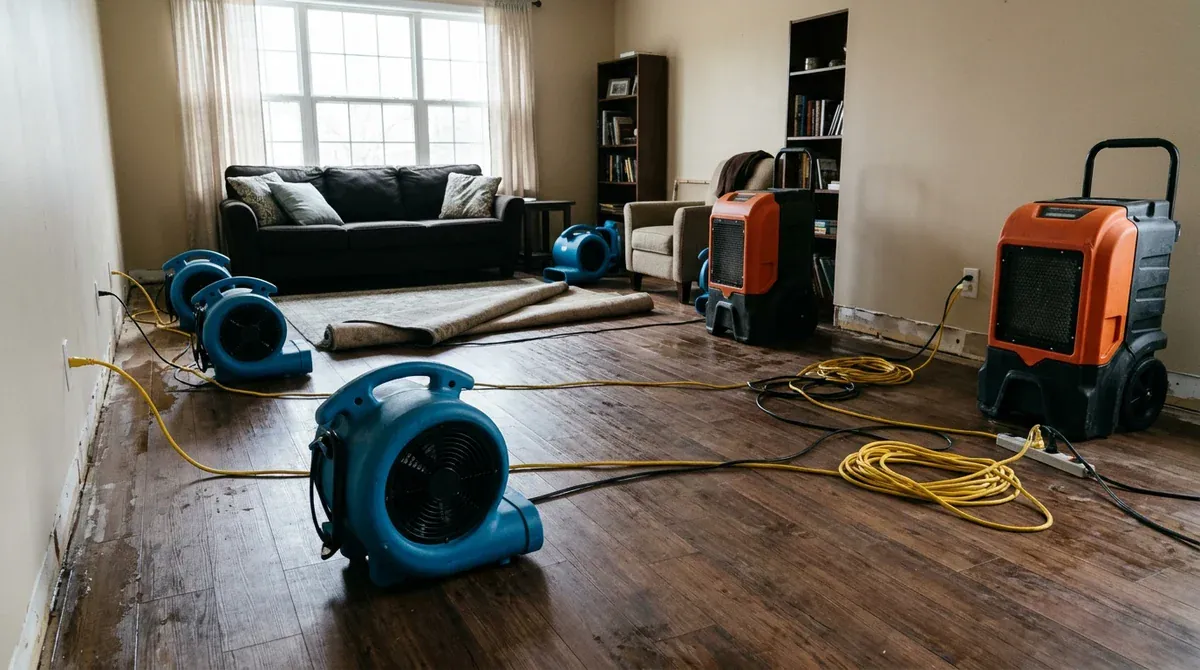
Liquid Extraction
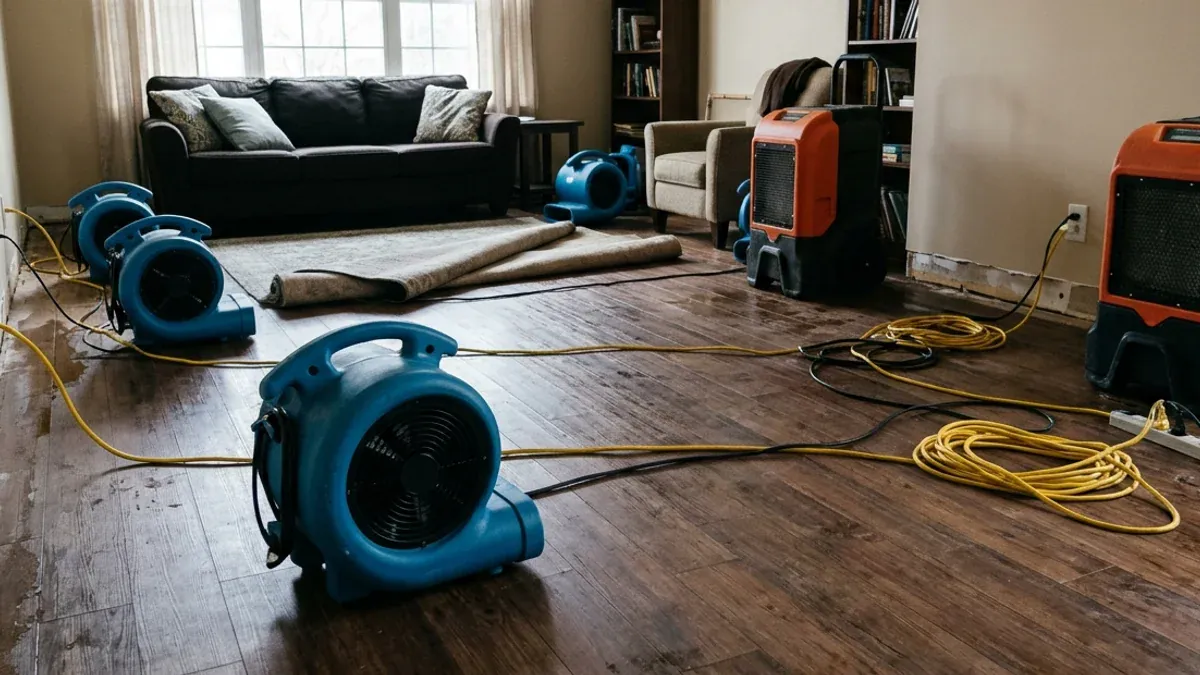
Structural Dehumidification
Massachusetts Municipalities
Professional Water Recovery Across Massachusetts
Water emergencies require both speed and thermodynamic precision. At Local Water Damage HQ, we provide residences and business facilities across Massachusetts with comprehensive mitigation support. Whether handling sudden subfloor saturation from a cracked plumbing line or subterranean basement seepage, our restoration crews coordinate rapid containment and bulk liquid removal.
Across Massachusetts, Aging municipal water mains, older residential copper or galvanized pipe joints, and heavy hydrostatic pressure against basement foundations during freeze-thaw cycles frequently cause sudden interior water emergencies. When unexpected water disasters happen, our restoration team mobilizes heavy-duty extraction and drying equipment to protect your building structure. We utilize daily psychrometric data tracking—monitoring grain depression and ambient vapor pressure—to guarantee every structural material returns to verifiable dry standards.
Our crews provide uninterrupted support and technical mitigation across all regions of Massachusetts.
Rapid Extraction
Truck-mounted vacuums and submersible pumps evacuating bulk water in Massachusetts.
Cavity Dehumidification
High-capacity air blowers and low-grain dehumidifiers drying building framing.
Committed Water Damage Mitigation in Massachusetts
When a plumbing supply line fails or storm runoff enters a property in Massachusetts, immediate structural stabilization is critical. Local Water Damage HQ establishes immediate containment barriers, isolates affected electrical runs, and extracts bulk liquids before moisture can wick up drywall and compromise framing integrity.
We understand the immense financial and emotional toll of sudden flooding in Massachusetts. That is why our specialists prioritize non-destructive moisture diagnostics, utilizing infrared thermography and high-frequency impedance scanners to pinpoint moisture trapped beneath hardwoods and tile without tearing up salvageable surfaces.
Water Damage Factors Across Massachusetts
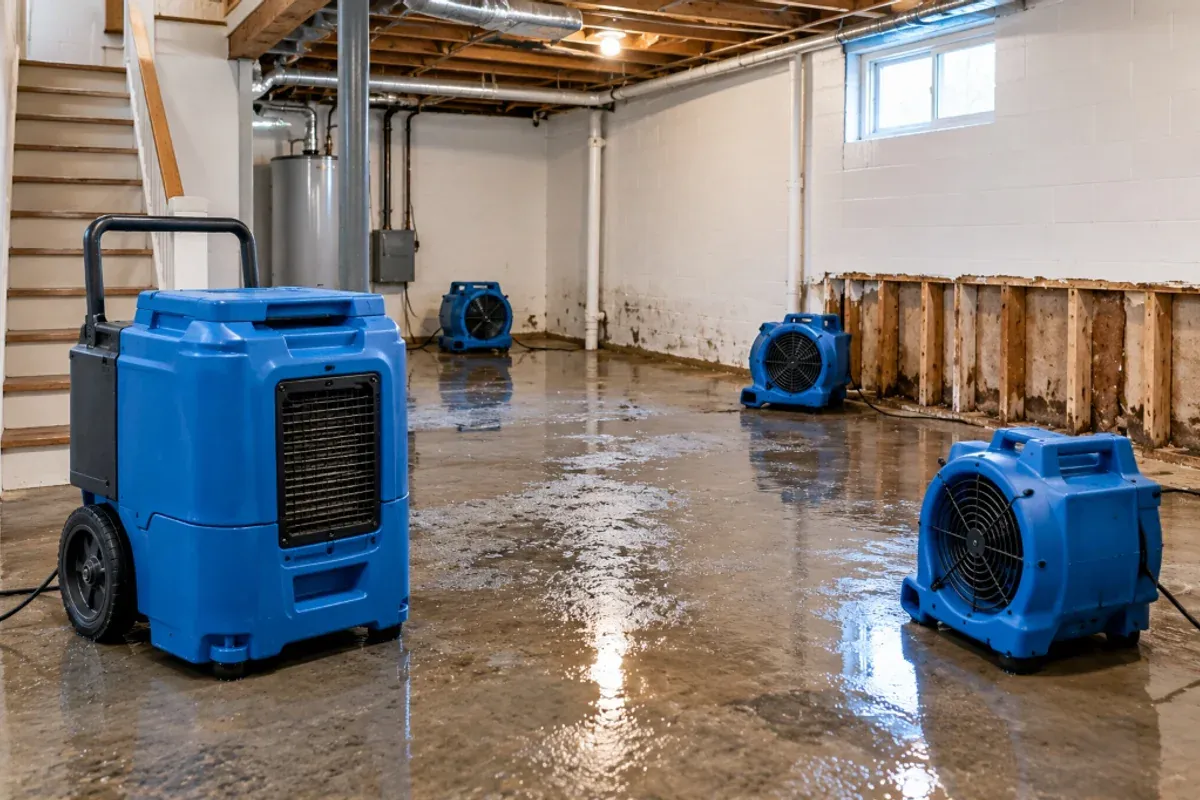
Properties across Massachusetts face distinct structural moisture risks determined by regional weather systems and predominant building construction. With sub-freezing winter temperatures, deep ground frost causing frozen or ruptured water pipes, rapid spring snowmelt, and subterranean basement seepage, property owners require fast, specialized mitigation tailored to full subterranean concrete or fieldstone basements, multi-story wood-frame construction, and historic plaster-and-lath or drywall interiors.
Weather & Environmental Pressures
Massachusetts routinely encounters sub-freezing winter temperatures, deep ground frost causing frozen or ruptured water pipes, rapid spring snowmelt, and subterranean basement seepage. Severe weather puts severe stress on residential roofing assemblies, basement foundations, and municipal storm runoff channels.
Prevalent Construction Assemblies
Building designs throughout Massachusetts feature full subterranean concrete or fieldstone basements, multi-story wood-frame construction, and historic plaster-and-lath or drywall interiors. Infiltrating moisture requires calibrated extraction tools designed specifically for these framing configurations.
Thermodynamic Drying Realities
Freezing outdoor temperatures slow natural evaporation. Structural drying requires introducing controlled heat alongside industrial dehumidifiers to raise vapor pressure within cold drywall, stone foundation perimeters, and hardwood subflooring.
Immediate Water Damage Steps for Massachusetts Property Owners
Before our restoration crew arrives on site, execute these essential safety and loss-mitigation procedures:
1. Isolate the Main Water Supply Immediately
Locate your property's main water shutoff valve. In Massachusetts, main valves are typically located inside the utility room, basement, or near the street curb meter box. Turning this valve clockwise shuts off the pressurized water flow and stops ongoing flooding.
2. Check Electrical Safety Before Entering Flooded Areas
If standing water has reached wall outlets, baseboard heaters, or submerged appliances in your Massachusetts home, do not step into the water. Turn off the corresponding circuit breakers from a dry location, or contact your local electric utility provider for an emergency disconnect.
3. Elevate Valuables & Protect Flooring Assemblies
Prop up furniture legs on aluminum foil or wood blocks to prevent stain transfer onto wet carpets or subfloors. Remove area rugs, draperies, and porous belongings out of direct contact with standing water across affected rooms.
4. Document Water Lines for Insurance Adjustment
Take high-resolution photos and video recordings of standing water levels, water stains on drywall, baseboards, and any damaged personal property before mitigation begins. This provides essential evidence for Massachusetts property insurance claims.
5. Contact Professional Water Damage Specialists
Call Local Water Damage HQ at 877-408-0342 for prompt water damage restoration assistance in Massachusetts. Industrial extraction units and drying chambers should be deployed within 24 to 48 hours to prevent structural wood rot and microbial growth.
What to Expect During Water Damage Recovery in Massachusetts
High-Flow Liquid Extraction
Every gallon of water extracted mechanically with weighted vacuum wands and submersible pumps saves hours of drying time. In Massachusetts, our heavy extraction units eliminate the liquid phase rapidly to safeguard subfloors and structural joists from irreversible swelling.
Vapor Pressure Management
In Massachusetts, true structural drying requires engineering a vapor pressure differential where moisture inside saturated framing is naturally forced into low-humidity ambient air. Our technicians continuously record psychrometric data to maintain ideal drying chambers.
Non-Destructive Thermal Mapping
Water often migrates through wall cavities without displaying surface stains. By using high-resolution infrared thermal imaging across Massachusetts properties, our crews map out exact moisture boundaries before deciding which assemblies need targeted drying or controlled access cuts.
Frequently Asked Questions About Water Damage in Massachusetts
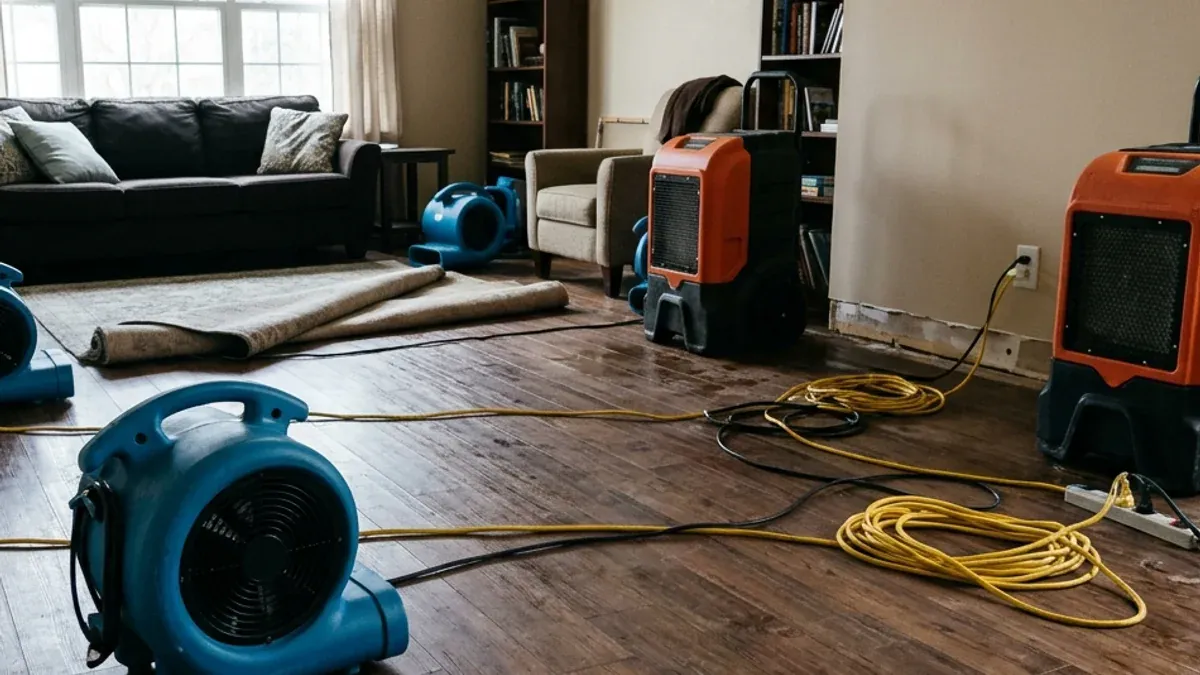
In Category 1 clean water events (such as a fresh water supply line break), solid hardwood floors and carpets can very often be saved if mitigation begins within 24 hours. We deploy negative-pressure floor mat systems that draw moisture upward through hardwood pores without buckling. If water originated from an unsanitary source (Category 2 or 3), porous carpet pads and severely contaminated materials must be replaced for health and safety.
Contact our team directly at 877-408-0342. We discuss your water situation, assess potential electrical or structural hazards, provide immediate guidance on shutoff procedures, and connect you with experienced water mitigation specialists equipped with heavy extraction units to your Massachusetts property.
Basement flooding typically stems from three primary factors: hydrostatic pressure forcing groundwater through microscopic foundation fissures during heavy rains, mechanical failure of sump pumps during storm power outages, or municipal sewer line back-surges. Installing backup battery pumps and maintaining proper exterior grading help mitigate these recurring vulnerabilities.
On average, structural drying takes between 3 to 5 days. However, the timeline depends heavily on the volume of water, how long it remained standing, the types of materials involved (dense concrete and multi-layer hardwoods take longer than drywall), and ambient humidity. Our technicians log psychrometric readings daily and only deactivate equipment when moisture levels reach verified dry standards.
The restoration industry categorizes water into three severity tiers: Category 1 (Clean Water from broken supply pipes or sink faucets), Category 2 (Grey Water with mild chemical or biological contaminants from washing machines or sump overflows), and Category 3 (Black Water containing raw sewage, ground floodwaters, or river surge). Each category dictates strict safety protocols, personal protective equipment (PPE), containment barriers, and sanitization standards.
Water Damage Service Areas in Massachusetts
Select your city below to find local water damage restoration and emergency extraction specialists.
Acushnet Center
Attleboro
Baldwinville
Beverly
Bliss Corner
Boston
Brockton
Buzzards Bay
Cambridge
Cedar Crest
Chelsea
Chicopee
Cochituate
Cordaville
Dennis Port
Devens
East Dennis
East Douglas
East Falmouth
East Harwich
East Pepperell
East Sandwich
Everett
Fall River
Fiskdale
Fitchburg
Forestdale
Framingham
Gardner
Gloucester
Green Harbor
Hanscom AFB
Harwich Center
Harwich Port
Haverhill
Holyoke
Housatonic
Lawrence
Lenox Dale
Leominster
Littleton Common
Lowell
Lynn
Madaket
Malden
Mansfield Center
Marion Center
Marlborough
Marshfield Hills
Mashpee Neck
Mattapoisett Center
Medford
Melrose
Middleborough Center
Millers Falls
Millis-Clicquot
Monomoscoy Island
Monson Center
Monument Beach
New Bedford
New Seabury
Newburyport
Newton
North Adams
North Eastham
North Falmouth
North Lakeville
North Pembroke
North Plymouth
North Scituate
North Seekonk
North Westport
Northampton
Northwest Harwich
Norton Center
Oak Bluffs
Ocean Bluff-Brant Rock
Ocean Grove
Onset
Peabody
Pinehurst
Pittsfield
Pocasset
Popponesset
Popponesset Island
Quincy
Raynham Center
Revere
Sagamore
Salem
Seabrook
Seconsett Island
Shelburne Falls
Siasconset
Smith Mills
Somerville
South Ashburnham
South Deerfield
South Dennis
South Duxbury
South Lancaster
South Yarmouth
Springfield
Taunton
Teaticket
The Pinehills
Turners Falls
Vineyard Haven
Waltham
Wareham Center
West Chatham
West Concord
West Dennis
West Falmouth
West Wareham
West Warren
West Yarmouth
Westfield
Weweantic
White Island Shores
Whitinsville
Woburn
Woods Hole
Worcester
Yarmouth Port
Water Emergency in Massachusetts?
Our restoration team coordinates immediate extraction and commercial drying to protect your property.
Call Now: 877-408-0342