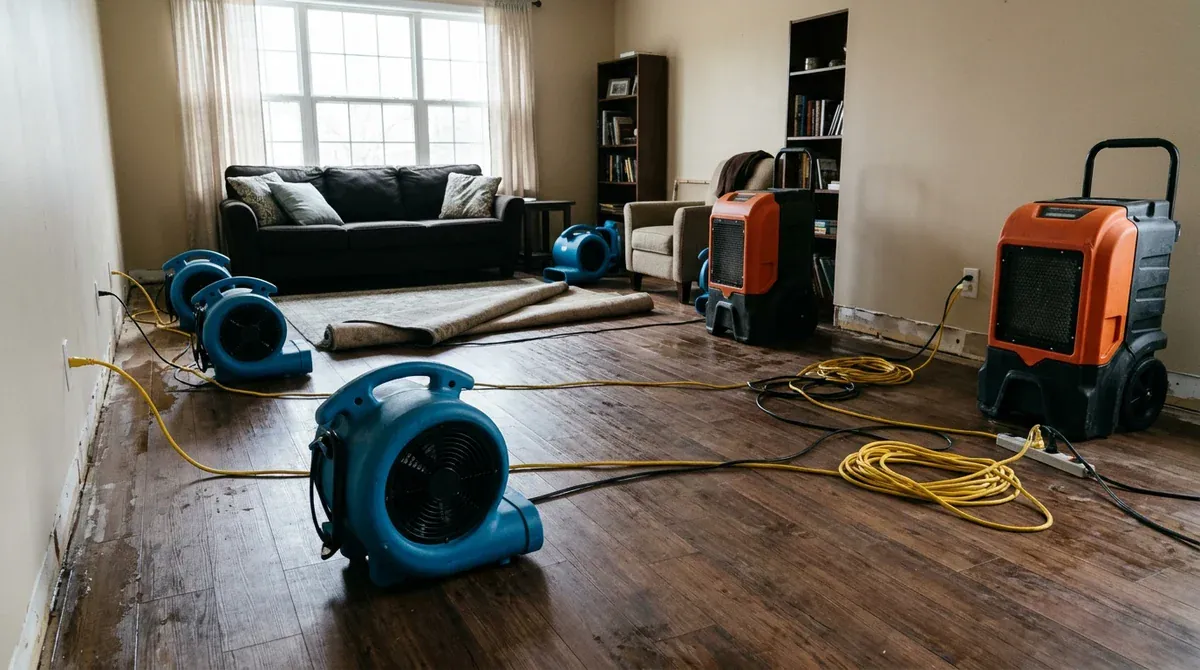
Liquid Extraction
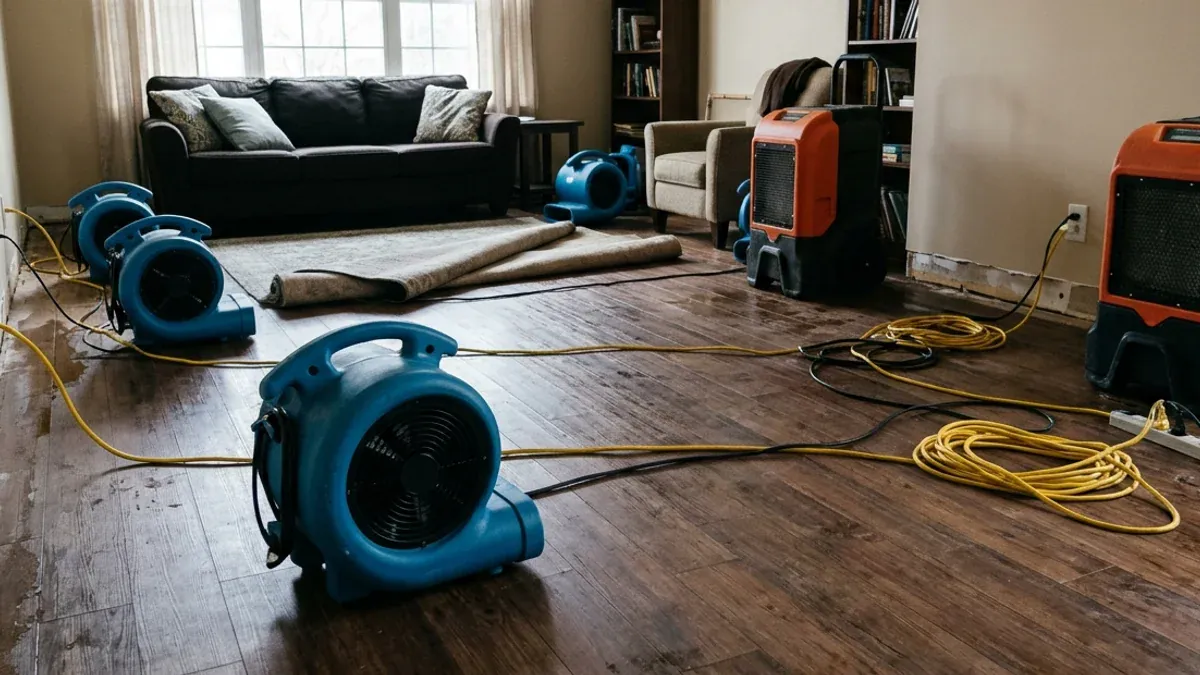
Structural Dehumidification
Rhode Island Municipalities
Professional Water Recovery Across Rhode Island
Water emergencies require both speed and thermodynamic precision. At Local Water Damage HQ, we provide residences and business facilities across Rhode Island with comprehensive mitigation support. Whether handling sudden subfloor saturation from a cracked plumbing line or subterranean basement seepage, our restoration crews coordinate rapid containment and bulk liquid removal.
Across Rhode Island, Aging municipal water mains, older residential copper or galvanized pipe joints, and heavy hydrostatic pressure against basement foundations during freeze-thaw cycles frequently cause sudden interior water emergencies. When unexpected water disasters happen, our restoration team mobilizes heavy-duty extraction and drying equipment to protect your building structure. We utilize daily psychrometric data tracking—monitoring grain depression and ambient vapor pressure—to guarantee every structural material returns to verifiable dry standards.
Our crews provide uninterrupted support and technical mitigation across all regions of Rhode Island.
Rapid Extraction
Truck-mounted vacuums and submersible pumps evacuating bulk water in Rhode Island.
Cavity Dehumidification
High-capacity air blowers and low-grain dehumidifiers drying building framing.
Committed Water Damage Mitigation in Rhode Island
Sustained moisture weakens structural fasteners, rots sill plates, and warps architectural hardwoods. Homeowners and facility directors in Rhode Island turn to Local Water Damage HQ because our mitigation crews arrive equipped for immediate heavy extraction and structural stabilization.
We maintain continuous operational focus until non-invasive moisture meters confirm that moisture content in wood studs and concrete foundations has returned to normal dry baseline levels.
Water Damage Factors Across Rhode Island
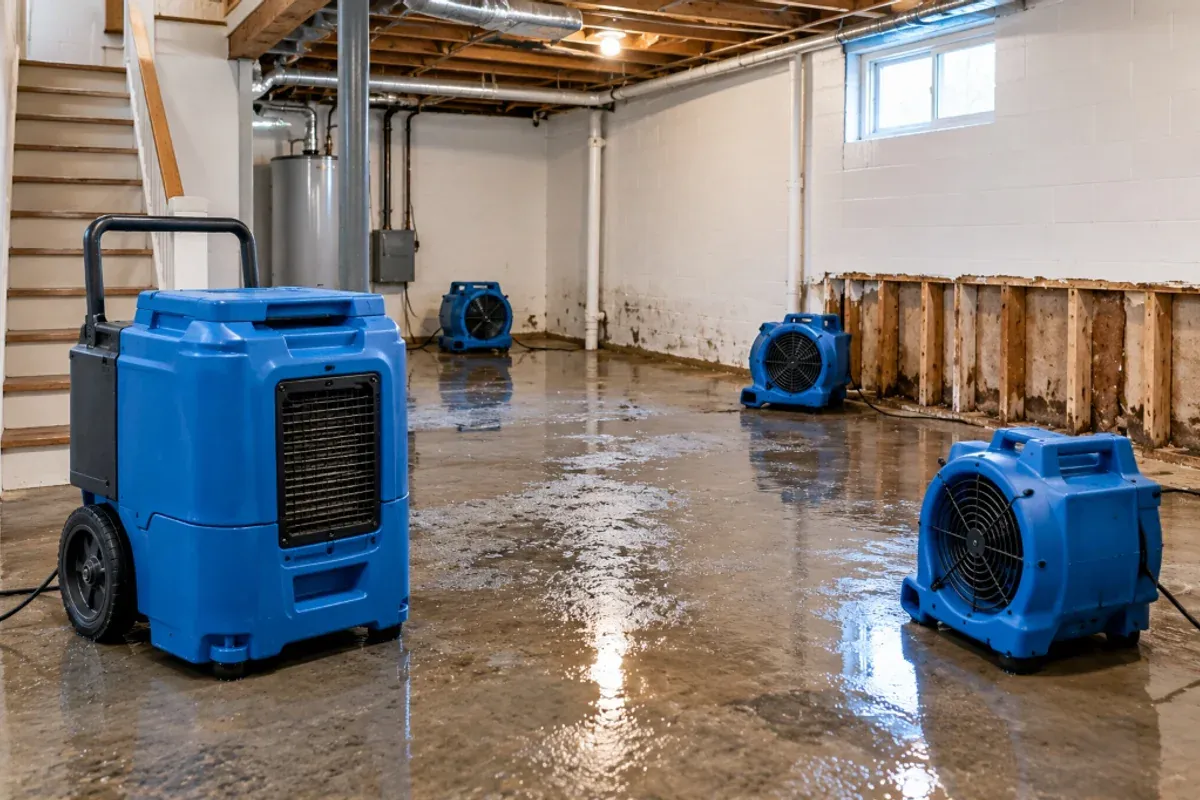
Properties across Rhode Island face distinct structural moisture risks determined by regional weather systems and predominant building construction. With sub-freezing winter temperatures, deep ground frost causing frozen or ruptured water pipes, rapid spring snowmelt, and subterranean basement seepage, property owners require fast, specialized mitigation tailored to full subterranean concrete or fieldstone basements, multi-story wood-frame construction, and historic plaster-and-lath or drywall interiors.
Weather & Environmental Pressures
Rhode Island routinely encounters sub-freezing winter temperatures, deep ground frost causing frozen or ruptured water pipes, rapid spring snowmelt, and subterranean basement seepage. Severe weather puts severe stress on residential roofing assemblies, basement foundations, and municipal storm runoff channels.
Prevalent Construction Assemblies
Building designs throughout Rhode Island feature full subterranean concrete or fieldstone basements, multi-story wood-frame construction, and historic plaster-and-lath or drywall interiors. Infiltrating moisture requires calibrated extraction tools designed specifically for these framing configurations.
Thermodynamic Drying Realities
Freezing outdoor temperatures slow natural evaporation. Structural drying requires introducing controlled heat alongside industrial dehumidifiers to raise vapor pressure within cold drywall, stone foundation perimeters, and hardwood subflooring.
Immediate Water Damage Steps for Rhode Island Property Owners
Before our restoration crew arrives on site, execute these essential safety and loss-mitigation procedures:
1. Isolate the Main Water Supply Immediately
Locate your property's main water shutoff valve. In Rhode Island, main valves are typically located inside the utility room, basement, or near the street curb meter box. Turning this valve clockwise shuts off the pressurized water flow and stops ongoing flooding.
2. Check Electrical Safety Before Entering Flooded Areas
If standing water has reached wall outlets, baseboard heaters, or submerged appliances in your Rhode Island home, do not step into the water. Turn off the corresponding circuit breakers from a dry location, or contact your local electric utility provider for an emergency disconnect.
3. Elevate Valuables & Protect Flooring Assemblies
Prop up furniture legs on aluminum foil or wood blocks to prevent stain transfer onto wet carpets or subfloors. Remove area rugs, draperies, and porous belongings out of direct contact with standing water across affected rooms.
4. Document Water Lines for Insurance Adjustment
Take high-resolution photos and video recordings of standing water levels, water stains on drywall, baseboards, and any damaged personal property before mitigation begins. This provides essential evidence for Rhode Island property insurance claims.
5. Contact Professional Water Damage Specialists
Call Local Water Damage HQ at 877-408-0342 for prompt water damage restoration assistance in Rhode Island. Industrial extraction units and drying chambers should be deployed within 24 to 48 hours to prevent structural wood rot and microbial growth.
What to Expect During Water Damage Recovery in Rhode Island
Hardwood Floor Injection Drying
Hardwood flooring saturated by clean water in Rhode Island can frequently be preserved without replacement. We install negative-pressure drying panels that draw moisture out from the underside of the floorboards and subfloor sleepers without warping the planks.
High-Flow Liquid Extraction
Every gallon of water extracted mechanically with weighted vacuum wands and submersible pumps saves hours of drying time. In Rhode Island, our heavy extraction units eliminate the liquid phase rapidly to safeguard subfloors and structural joists from irreversible swelling.
Non-Destructive Thermal Mapping
Water often migrates through wall cavities without displaying surface stains. By using high-resolution infrared thermal imaging across Rhode Island properties, our crews map out exact moisture boundaries before deciding which assemblies need targeted drying or controlled access cuts.
Frequently Asked Questions About Water Damage in Rhode Island
The restoration industry categorizes water into three severity tiers: Category 1 (Clean Water from broken supply pipes or sink faucets), Category 2 (Grey Water with mild chemical or biological contaminants from washing machines or sump overflows), and Category 3 (Black Water containing raw sewage, ground floodwaters, or river surge). Each category dictates strict safety protocols, personal protective equipment (PPE), containment barriers, and sanitization standards.
Contact our team directly at 877-408-0342. We discuss your water situation, assess potential electrical or structural hazards, provide immediate guidance on shutoff procedures, and connect you with experienced water mitigation specialists equipped with heavy extraction units to your Rhode Island property.
Musty odors are byproducts of microbial activity and trapped moisture. Masking sprays do not solve the root issue. Our technicians thoroughly extract water, apply EPA-registered botanical antimicrobials to framing and concrete substrates, run HEPA 500 air scrubbers with activated carbon filters to remove volatile organic compounds (VOCs), and dry structural framing to certified dry baselines.
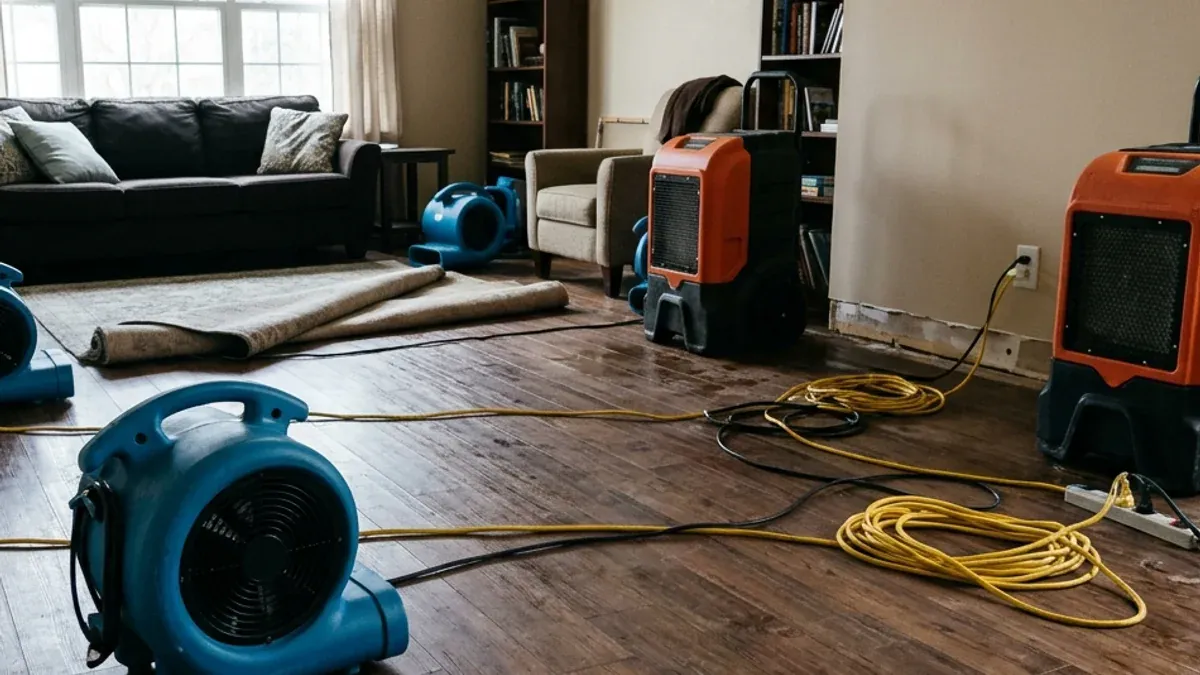
Building assemblies like sheetrock drywall, oriented strand board (OSB) subflooring, and carpet underlayment act like sponges, absorbing standing water through capillary action. Within 24 to 48 hours, organic cellulose materials trapped in damp conditions begin to break down, fasteners lose structural grip, and microbial mold spores can begin colonization. Rapid extraction and drying within this critical window halt these irreversible secondary damages.
At Local Water Damage HQ, our technicians use a dual-diagnostic approach: non-invasive radio-frequency moisture meters and high-resolution infrared thermal imaging cameras. Evaporating water creates a distinct thermal cooling signature on building surfaces, allowing us to map hidden water paths through ceilings, inside wall cavities, and beneath tile or hardwood without unnecessary destructive demolition.
Water Damage Service Areas in Rhode Island
Select your city below to find local water damage restoration and emergency extraction specialists.
Ashaway
Bradford
Carolina
Central Falls
Chepachet
Clayville
Cranston
Cumberland Hill
East Providence
Foster Center
Greene
Greenville
Harmony
Harrisville
Hope Valley
Kingston
Melville
Misquamicut
Narragansett Pier
Newport
Newport East
Pascoag
Pawtucket
Providence
Quonochontaug
Valley Falls
Warwick
Watch Hill
Weekapaug
Woonsocket
Wyoming
Water Emergency in Rhode Island?
Our restoration team coordinates immediate extraction and commercial drying to protect your property.
Call Now: 877-408-0342