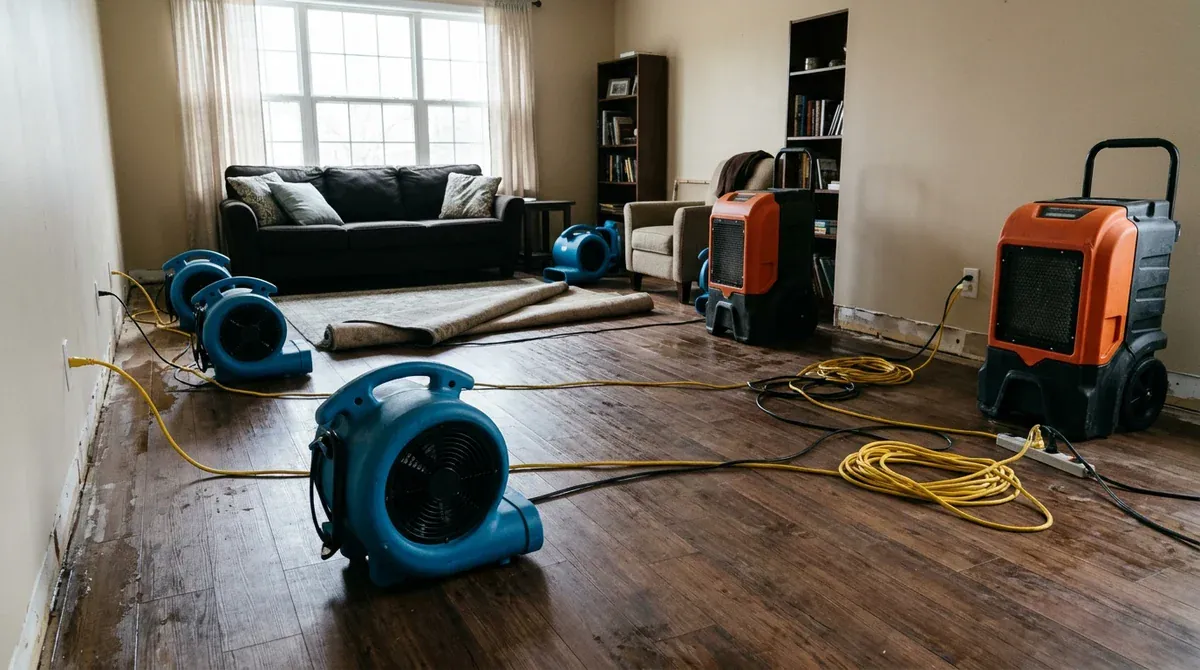
Liquid Extraction
Structural Dehumidification
Vermont Municipalities
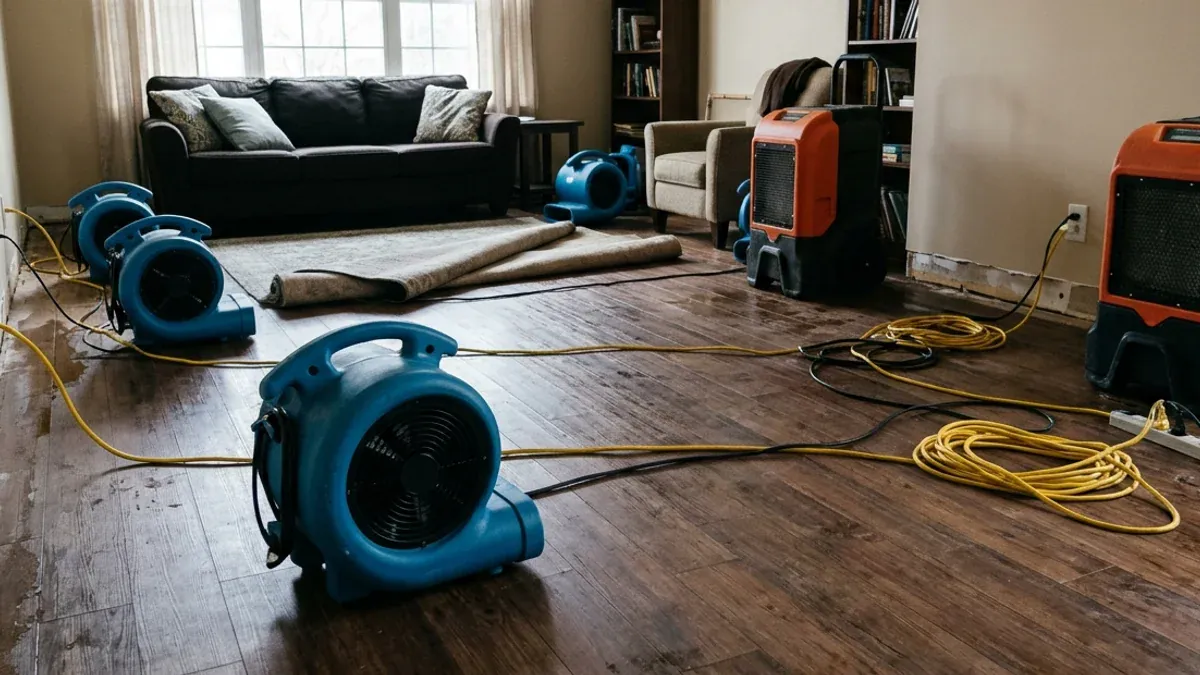
Professional Water Recovery Across Vermont
Water emergencies require both speed and thermodynamic precision. At Local Water Damage HQ, we provide residences and business facilities across Vermont with comprehensive mitigation support. Whether handling sudden subfloor saturation from a cracked plumbing line or subterranean basement seepage, our restoration crews coordinate rapid containment and bulk liquid removal.
Across Vermont, Aging municipal water mains, older residential copper or galvanized pipe joints, and heavy hydrostatic pressure against basement foundations during freeze-thaw cycles frequently cause sudden interior water emergencies. When unexpected water disasters happen, our restoration team mobilizes heavy-duty extraction and drying equipment to protect your building structure. We utilize daily psychrometric data tracking—monitoring grain depression and ambient vapor pressure—to guarantee every structural material returns to verifiable dry standards.
Our crews provide uninterrupted support and technical mitigation across all regions of Vermont.
Rapid Extraction
Truck-mounted vacuums and submersible pumps evacuating bulk water in Vermont.
Cavity Dehumidification
High-capacity air blowers and low-grain dehumidifiers drying building framing.
Committed Water Damage Mitigation in Vermont
When water fills basements or saturates floor systems in Vermont, speed of extraction dictates whether expensive materials can be preserved. Local Water Damage HQ deploys heavy submersible pumps and weighted ride-on extraction units capable of pulling hundreds of gallons of water directly out of carpets, pads, and concrete substrates.
By removing the bulk liquid phase rapidly, we dramatically shorten overall drying timelines, lowering restoration costs and allowing Vermont property owners to resume normal life with complete confidence.
Water Damage Factors Across Vermont
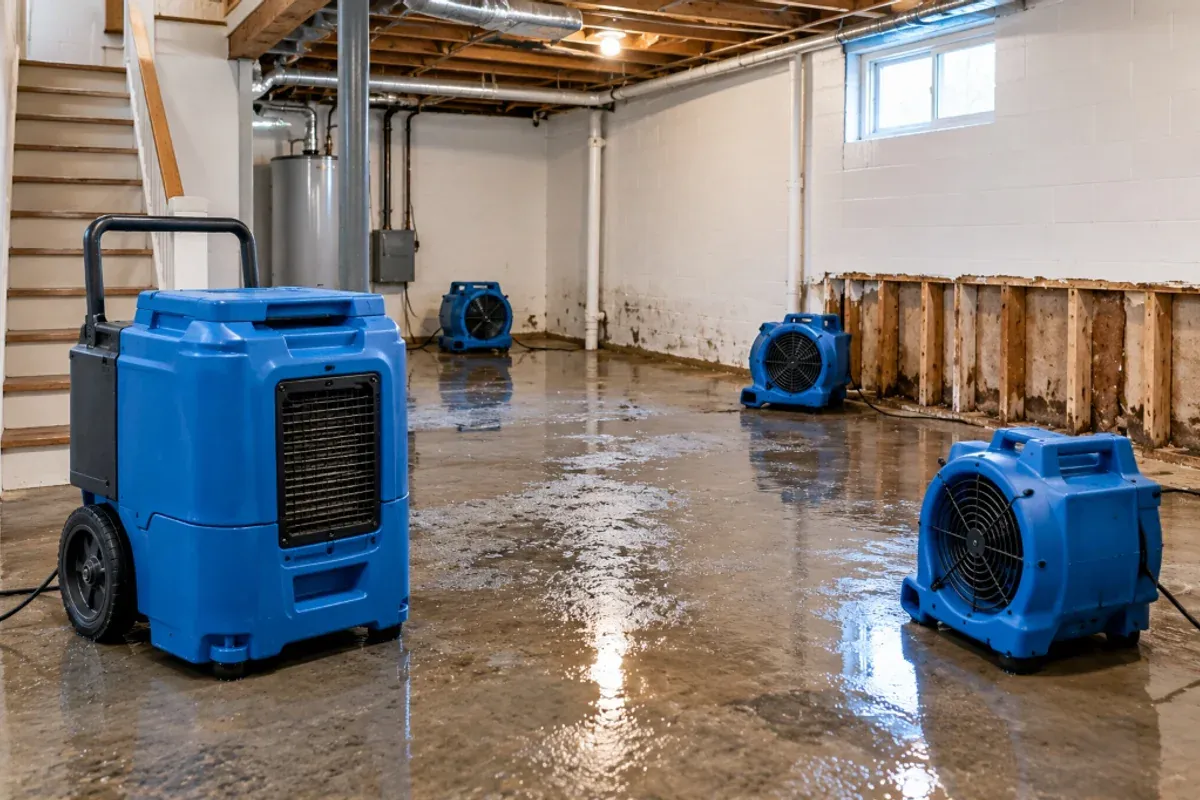
Properties across Vermont face distinct structural moisture risks determined by regional weather systems and predominant building construction. With sub-freezing winter temperatures, deep ground frost causing frozen or ruptured water pipes, rapid spring snowmelt, and subterranean basement seepage, property owners require fast, specialized mitigation tailored to full subterranean concrete or fieldstone basements, multi-story wood-frame construction, and historic plaster-and-lath or drywall interiors.
Weather & Environmental Pressures
Vermont routinely encounters sub-freezing winter temperatures, deep ground frost causing frozen or ruptured water pipes, rapid spring snowmelt, and subterranean basement seepage. Severe weather puts severe stress on residential roofing assemblies, basement foundations, and municipal storm runoff channels.
Prevalent Construction Assemblies
Building designs throughout Vermont feature full subterranean concrete or fieldstone basements, multi-story wood-frame construction, and historic plaster-and-lath or drywall interiors. Infiltrating moisture requires calibrated extraction tools designed specifically for these framing configurations.
Thermodynamic Drying Realities
Freezing outdoor temperatures slow natural evaporation. Structural drying requires introducing controlled heat alongside industrial dehumidifiers to raise vapor pressure within cold drywall, stone foundation perimeters, and hardwood subflooring.
Immediate Water Damage Steps for Vermont Property Owners
Before our restoration crew arrives on site, execute these essential safety and loss-mitigation procedures:
1. Isolate the Main Water Supply Immediately
Locate your property's main water shutoff valve. In Vermont, main valves are typically located inside the utility room, basement, or near the street curb meter box. Turning this valve clockwise shuts off the pressurized water flow and stops ongoing flooding.
2. Check Electrical Safety Before Entering Flooded Areas
If standing water has reached wall outlets, baseboard heaters, or submerged appliances in your Vermont home, do not step into the water. Turn off the corresponding circuit breakers from a dry location, or contact your local electric utility provider for an emergency disconnect.
3. Elevate Valuables & Protect Flooring Assemblies
Prop up furniture legs on aluminum foil or wood blocks to prevent stain transfer onto wet carpets or subfloors. Remove area rugs, draperies, and porous belongings out of direct contact with standing water across affected rooms.
4. Document Water Lines for Insurance Adjustment
Take high-resolution photos and video recordings of standing water levels, water stains on drywall, baseboards, and any damaged personal property before mitigation begins. This provides essential evidence for Vermont property insurance claims.
5. Contact Professional Water Damage Specialists
Call Local Water Damage HQ at 877-408-0342 for prompt water damage restoration assistance in Vermont. Industrial extraction units and drying chambers should be deployed within 24 to 48 hours to prevent structural wood rot and microbial growth.
What to Expect During Water Damage Recovery in Vermont
Non-Destructive Thermal Mapping
Water often migrates through wall cavities without displaying surface stains. By using high-resolution infrared thermal imaging across Vermont properties, our crews map out exact moisture boundaries before deciding which assemblies need targeted drying or controlled access cuts.
Negative Air & Containment
When mitigating Category 2 or 3 water losses in Vermont, establishing negative pressure barriers with HEPA 500 air scrubbers prevents cross-contamination of clean rooms, protecting your indoor environment and indoor air quality throughout extraction.
Baseline Dry Standard Verification
We establish baseline moisture readings from unaffected wood and drywall in dry areas of your Vermont building. Drying equipment remains active until daily readings verify that all damaged materials have returned to safe, verified pre-loss moisture levels.
Frequently Asked Questions About Water Damage in Vermont
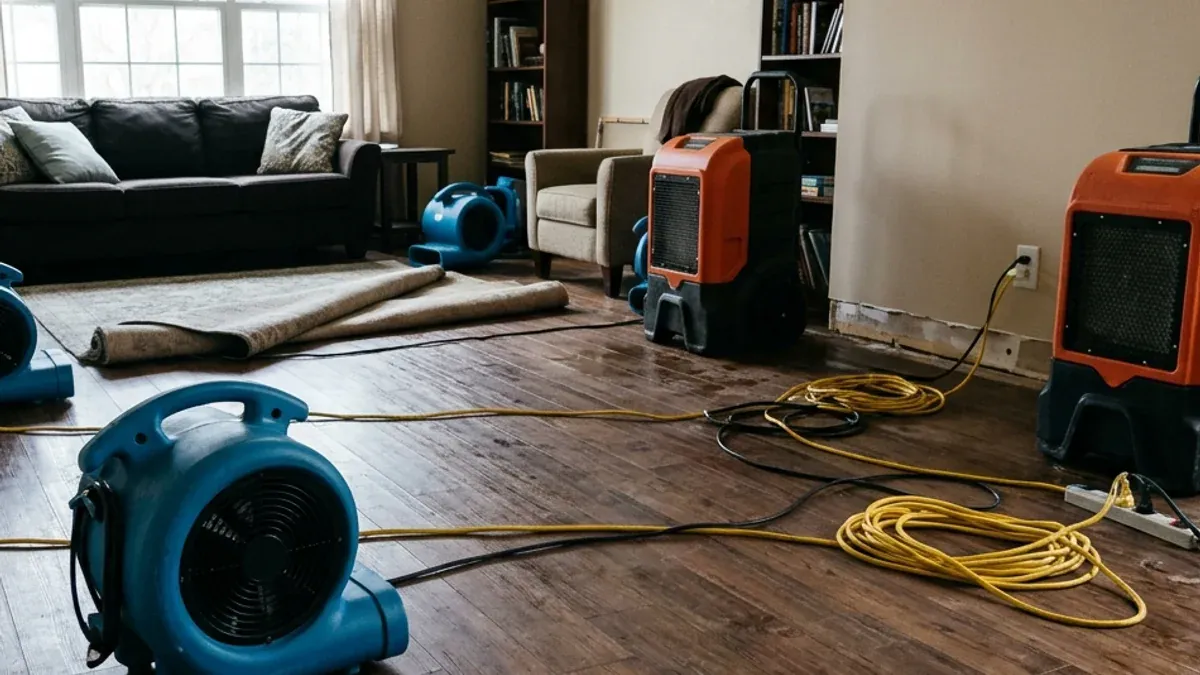
Household fans only circulate surface air—they lack the high static pressure required to force air through dense subfloors and wall cavities. Furthermore, residential dehumidifiers quickly freeze up or become saturated at low relative humidity. Commercial low-grain refrigerant (LGR) dehumidifiers can extract dozens of gallons of water per day even in deep, low-grain conditions, ensuring building frames dry completely.
On average, structural drying takes between 3 to 5 days. However, the timeline depends heavily on the volume of water, how long it remained standing, the types of materials involved (dense concrete and multi-layer hardwoods take longer than drywall), and ambient humidity. Our technicians log psychrometric readings daily and only deactivate equipment when moisture levels reach verified dry standards.
Once non-invasive moisture meters verify that all framing and subfloors are completely dry, repair work begins. Typical repairs include installing new drywall flood cuts, taping, mudding, and texture matching, replacing baseboards, reinstalling carpet padding, refinishing hardwood floors, and applying fresh primer and paint to return your property to pristine pre-loss condition.
Building assemblies like sheetrock drywall, oriented strand board (OSB) subflooring, and carpet underlayment act like sponges, absorbing standing water through capillary action. Within 24 to 48 hours, organic cellulose materials trapped in damp conditions begin to break down, fasteners lose structural grip, and microbial mold spores can begin colonization. Rapid extraction and drying within this critical window halt these irreversible secondary damages.
First, prioritize human safety. If water has reached wall outlets, wiring, or electrical appliances, stay out of standing water and shut off the electrical panel from a dry location. If the water source is plumbing-related, turn off your property's main water shutoff valve immediately. Next, call Local Water Damage HQ at 877-408-0342 to initiate emergency extraction. While waiting, elevate vulnerable furniture legs on aluminum foil or plastic blocks and take date-stamped photos of the initial water line for your insurance adjuster.
Water Damage Service Areas in Vermont
Select your city below to find local water damage restoration and emergency extraction specialists.
Algiers
Ascutney
Bakersfield
Barre
Beecher Falls
Bellows Falls
Bolton
Bolton Valley
Burlington
Castleton Four Corners
Chimney Hill
Chittenden
Danby
Derby Center
Derby Line
East Barre
East Burke
East Charlotte
East Dorset
East Middlebury
East Poultney
Enosburg Falls
Essex Junction
Gilman
Grafton
Graniteville
Greensboro Bend
Hanksville
Harmonyville
Hartford Village
Highgate Center
Highgate Springs
Huntington
Huntington Center
Island Pond
Jacksonville
Jamaica
Jeffersonville
Jericho Center
Killington Village
Lincoln
Londonderry
Lunenburg
Lyndon
Lyndon Center
Lyndonville
Manchester Center
Middletown Springs
Montpelier
Morrisville
New Haven
Newport
Newport Center
North Bennington
North Clarendon
North Hartland
North Hyde Park
North Pownal
North Springfield
North Troy
North Westminster
Old Bennington
Orleans
Pawlet
Peacham
Pownal
Pownal Center
Proctor
Proctorsville
Quechee
Rutland
Saint George
Saxtons River
Sheffield
South Barre
South Burlington
South Hero
South Lincoln
South Londonderry
South Royalton
South Shaftsbury
South Woodstock
St. Albans
Stamford
Stratton Mountain
Sutton
Townshend
Underhill Center
Underhill Flats
Vergennes
Wardsboro
Waterbury Center
Websterville
Wells River
West Brattleboro
West Burke
West Charlotte
West Dummerston
West Pawlet
West Woodstock
Westford
Weston
White River Junction
Whitingham
Wilder
Winooski
Wolcott
Water Emergency in Vermont?
Our restoration team coordinates immediate extraction and commercial drying to protect your property.
Call Now: 877-408-0342